

August 19, 2026
There Should Always Be a Cat Here
At New York's Algonquin Hotel, one resident has remained a constant for more than a century. Just not the same one.
Cities are very good at losing things. Buildings get torn down, neighborhoods change, old traditions fade away, and the places that survive are renovated to accommodate whatever the present requires.
The Algonquin Hotel has been keeping pace with that for 124 years. The famous writers, critics, and actors who used to hang out at its Round Table are history now. The hotel has changed owners, undergone renovations, and witnessed New York transform around it. But if you walk into the lobby today and one peculiar tradition stands: there's always a cat. His name is Hamlet VIII, the latest feline resident, and that Roman numeral adds an interesting twist.
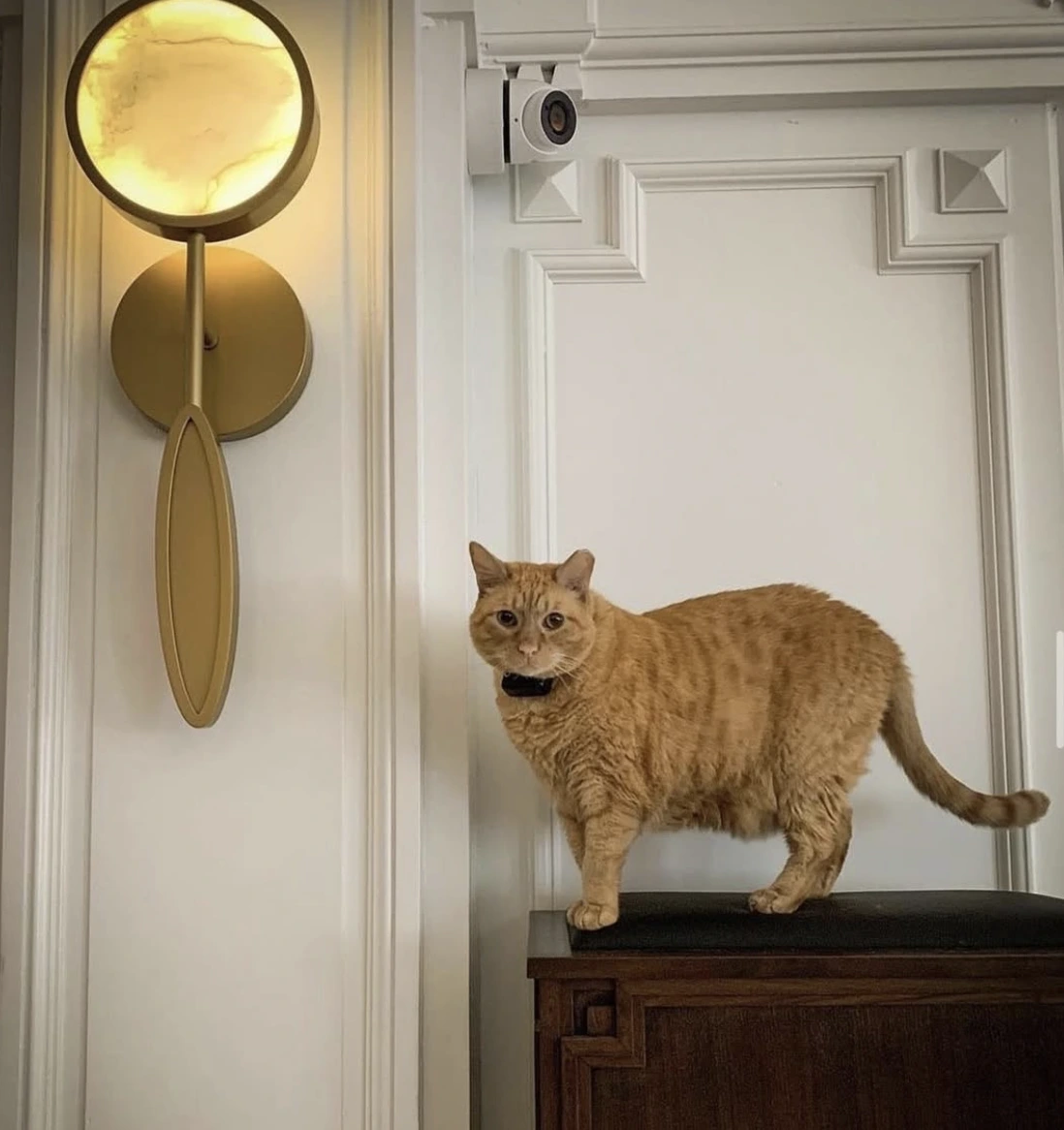
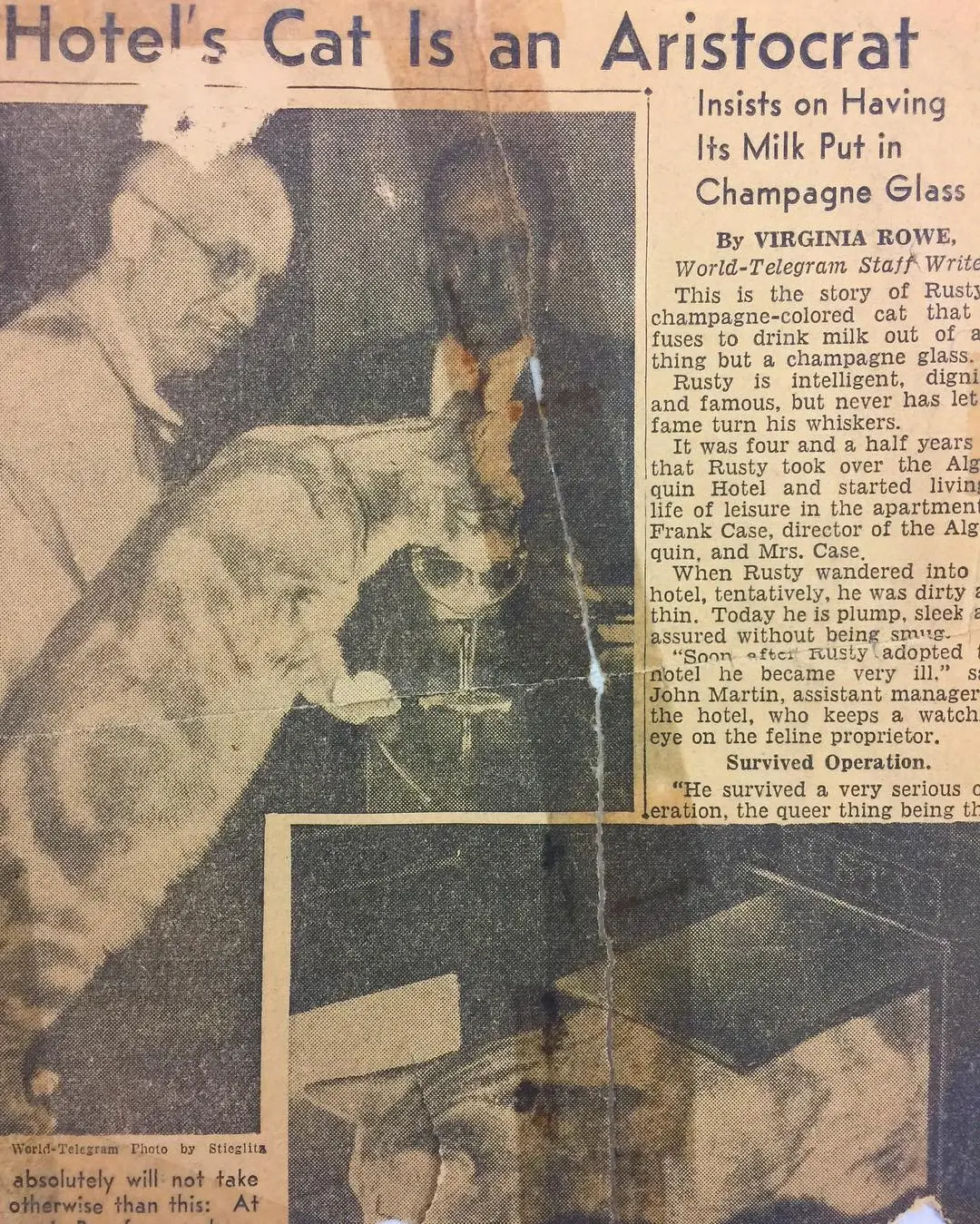
It all started with Billy, the first resident cat, who showed up in 1923 and stuck around for 15 years. When Billy passed, a stray cat wandered in looking for food. Hotel owner Frank Case took him in, named him Rusty, and eventually changed his name to Hamlet after actor John Barrymore suggested it because of his famous Shakespearean role.
There is a difference between saying, "there's a cat here," "there has always been a cat here," and "there should always be a cat here." Hamlet VIII lives in that last version.
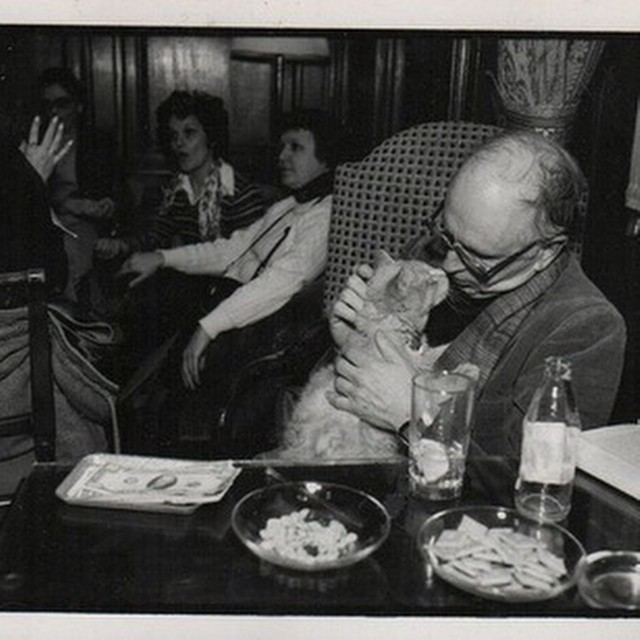
Today, being the resident cat means attending birthday parties, charity events, running a social media account, and having a book and an email address. It's easy to call some of that marketing, and of course it is. But traditions don't make them any less meaningful because someone realizes people care about them.
The Algonquin isn't the only hotel that has this tradition. London's Ritz once had a cat named Tiger, meant to catch mice but much better at getting treats from guests and kitchen staff. Le Bristol Paris has Socrate, keeping their own resident cat tradition alive. All kinds of pubs, libraries, shops, and stations have had pets who started off as workers or neighborhood regulars, and ended up giving people a reason to remember the place.
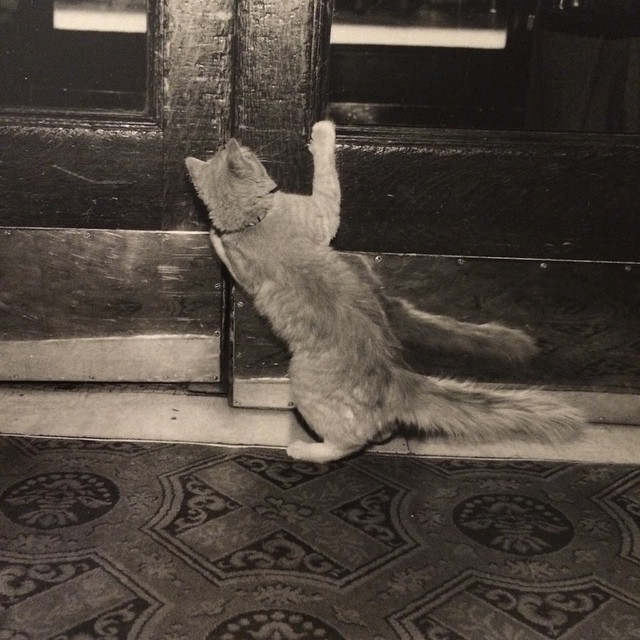
Resident animals have a unique way of making a space feel lived in. Old furniture and architecture preserve history, but animals create routines, staff learn where they like to hang out, and guests remember their own encounters. Eventually, they're gone, and no new cat can replace the one that came before. But at the Algonquin, for over a century, that’s somehow been enough.

The writers have left. The city has changed. Even the cats themselves have come and gone. But one thing’s for sure: there should always be a cat here. And there is.

Share this story
